Why Every Business Needs a Website
Not as hype, just as a plain look at what a site does that a social profile can't, and where it honestly doesn't matter that much.
Someone else already made you a page
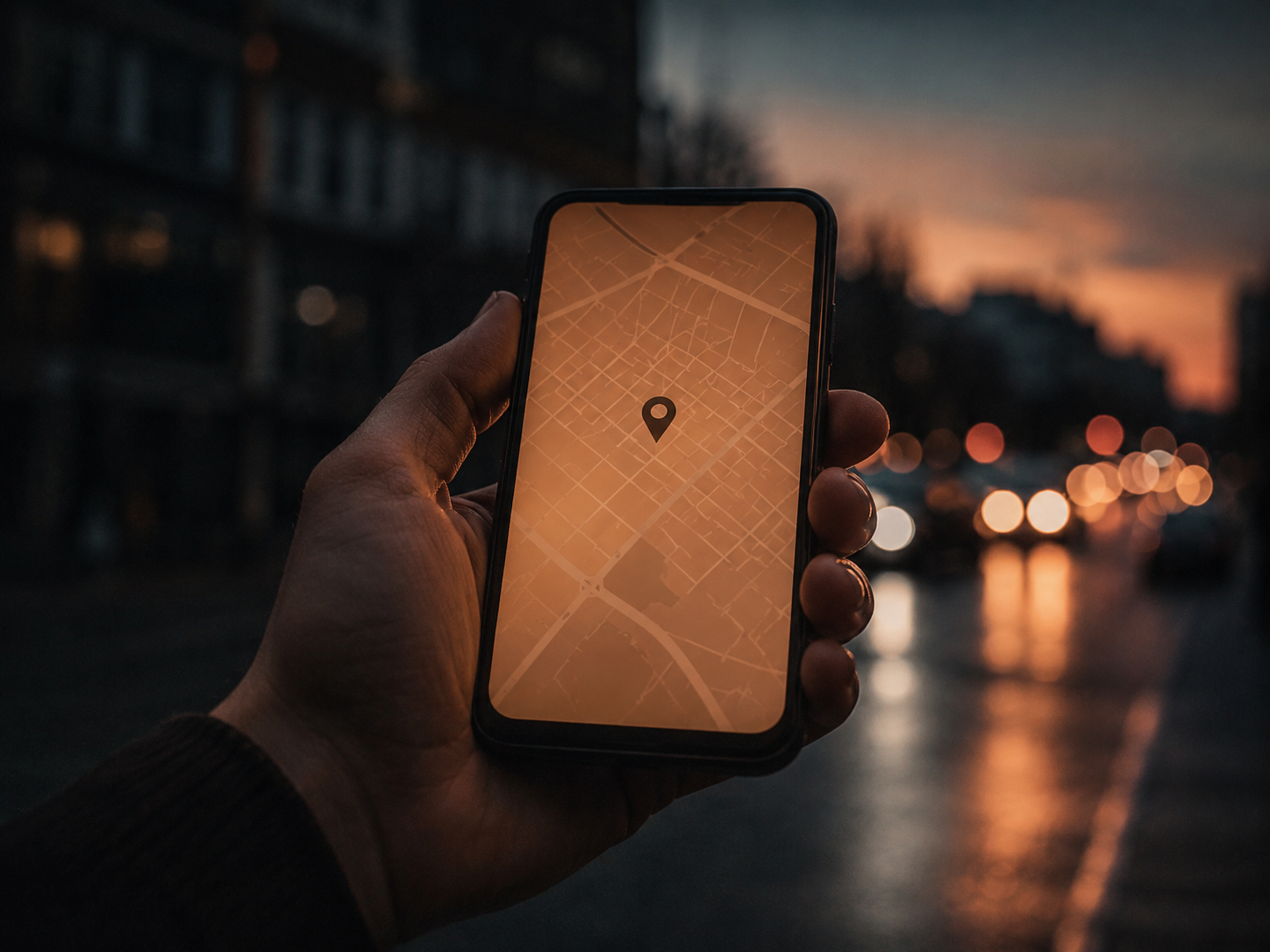
Search your business name. There's already a Google Maps listing, maybe a review page, maybe an old directory entry with the wrong phone number. That's the first thing people see, and you don't control any of it.
A website doesn't replace that — Google still shows the Maps pin first for most local searches. What it does is give you one place in the results that says what you actually want it to say, instead of leaving that entirely to whoever indexed you last.
It's not required. It's just a real gap if you skip it
Plenty of businesses run fine on Instagram and referrals alone, especially local, relationship-driven ones. If that's genuinely working, a website isn't going to change your revenue overnight.
Where it bites: anyone who checks you out before reaching out — a new customer with no referral, someone comparing you to a competitor, a bank or partner running due diligence — and finds nothing to check. Not everyone does that. But some do, and you don't find out who by asking them.
It doesn't depend on a platform's mood
An Instagram or Facebook page can be throttled, restricted, or banned over a false report, and appeals can take weeks. It's rare, but it happens, and when it does you lose the page, not just this week's reach.
A website you own can't be taken down by a platform policy change. That's a real difference, not a hypothetical one — it's just a lower-probability event than most of the other reasons to have a site.
It answers questions when you're not around
Hours, pricing, what you actually do, how to reach you — a site answers those without anyone on your team picking up the phone. That's genuinely useful, but it's not unique to a website; a well-kept Google Business Profile or Instagram bio does a version of the same job.
The difference is depth. A profile can hold a sentence and a link. A site can hold the actual case for why someone should pick you, which a bio field can't.
SEO is real, but it's slow and not guaranteed
A site can earn search traffic that keeps showing up months after you built it, without ongoing ad spend. That's true. It's also not automatic — a site with no content, no backlinks, and no updates won't rank for much, and it can take months to see anything.
If you're expecting a website to be a lead-generation machine on its own, it won't be. It's infrastructure that other efforts — content, reviews, word of mouth — compound on top of, not a replacement for those efforts.
The honest version
A website matters most when someone is deciding whether to trust you and has no other way to check. It matters less if your business runs entirely on repeat customers and direct referrals who never need to look you up.
If you're not sure which one describes you, that's a five-minute conversation, not a sales pitch — get in touch and we'll tell you straight whether it's worth building.
Have something worth building?
Get in touch →